COSS CONSTRUCT
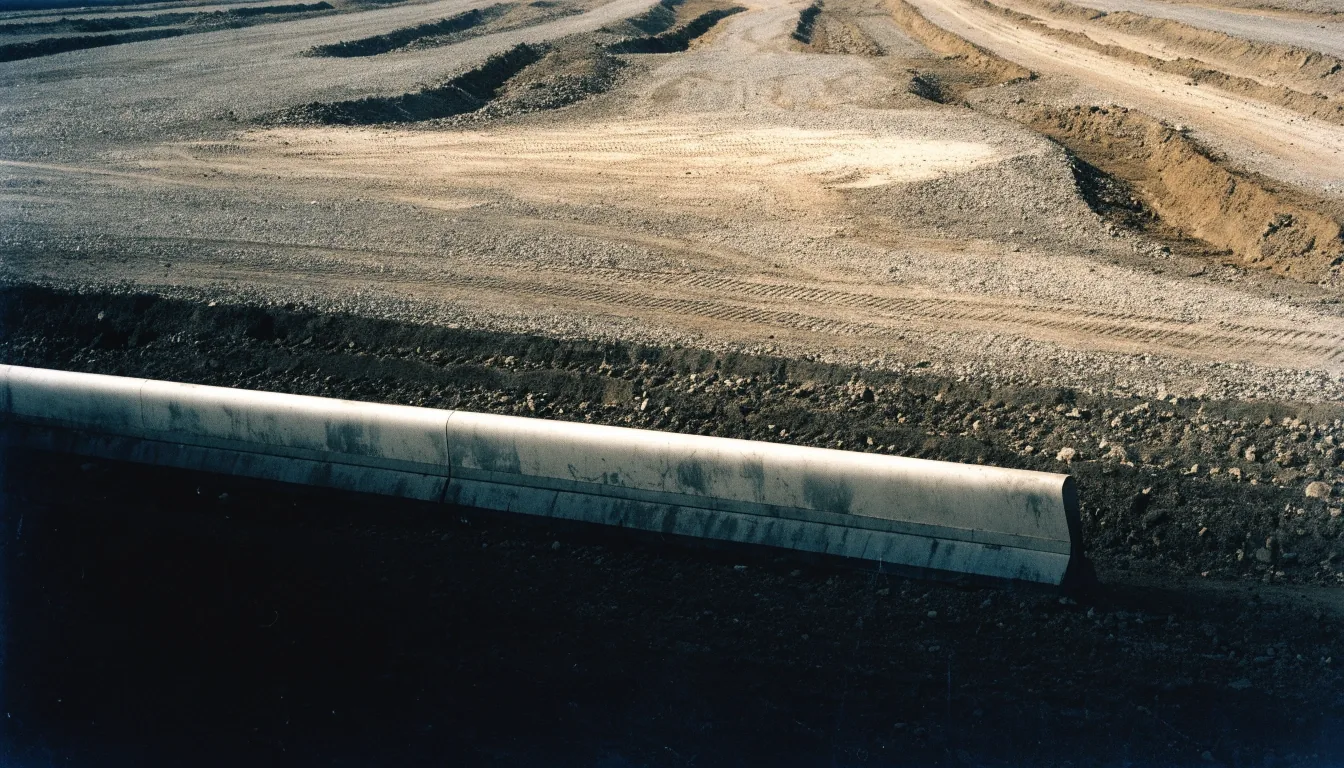
Cold milling machine mid-cut on a road carriageway with milled aggregate spilling beside the drum Milling drum mid-cut — Kay Siang type section, flat daylight

Road construction — Scope and planning

Road reconstruction takes more than new asphalt

COSS CONSTRUCT (SRL) describes road construction and reconstruction as a staged process, from levels and base preparation to drainage tie-ins and traffic staging. Read the kerb before the machines arrive.

Planning information only. Singapore entry is planned only — no local office, no ongoing Singapore projects, no licences claimed. FOLIO R-01 / Dawson — Loyang — ECP corridor

Registered scope

What road construction includes here

New links, widening, reconstruction, overlay

Registered scope covers new road links, road widening, full reconstruction, and overlay type work with associated base preparation and drainage works. Each item changes levels, drainage, or traffic handling — not only surfacing.

The 2026 Dawson Road network award is a compact illustration: design and construction of a new road extension at Kay Siang Road, widening of Tanglin Road and Kay Siang Road, plus recambering, raising, milling and overlaying of existing roads. New geometry meets old levels, and both meet live drains.

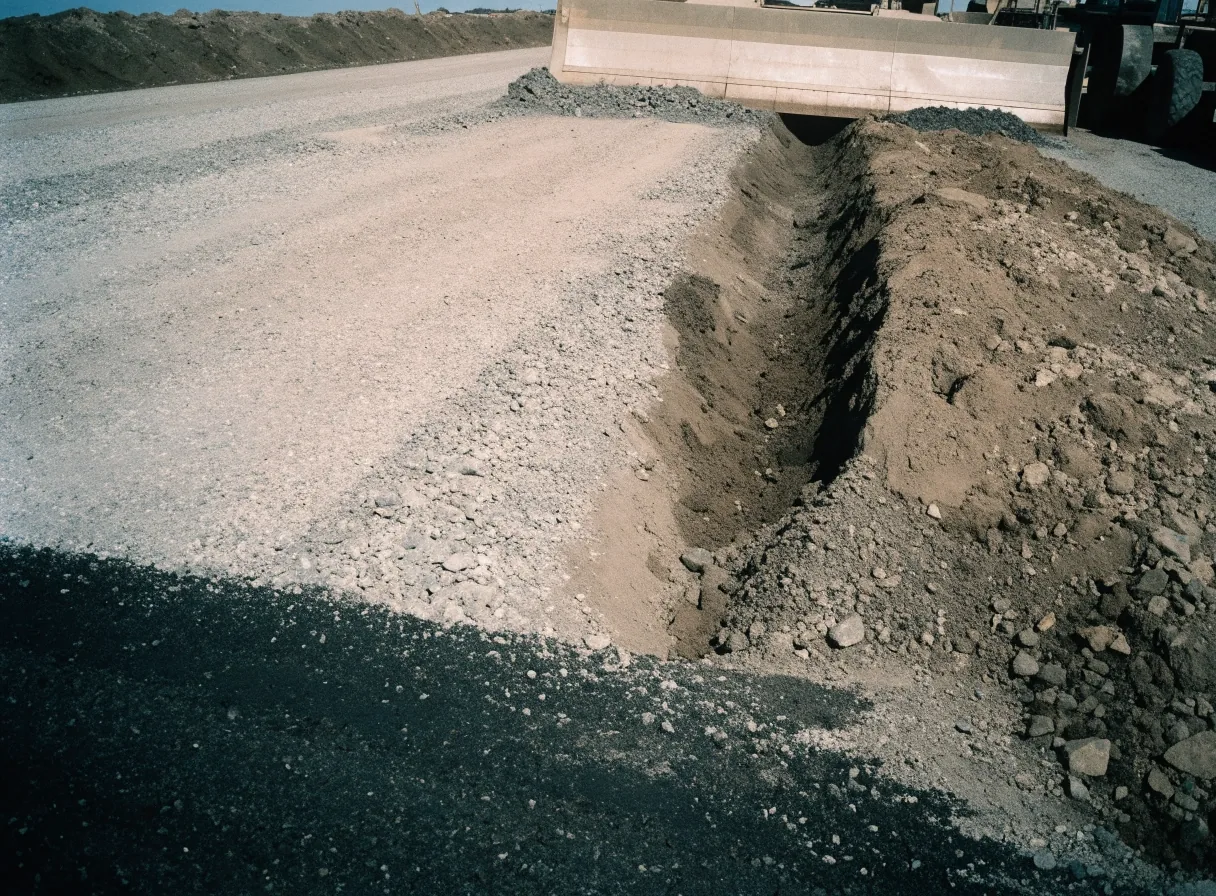
Excavator bucket cut into a drainage trench wall with clean spoil piled beside

Trench wall with drainage cut — levels before surfacing

Separate the aim first

When you write to us, separate those aims: new link, added width, rebuilt structure, or renewed surface. That choice sets the questions we ask next.

  • New link — alignment, formation, outlets, and tie-ins to be confirmed.
  • Added width — verge, drain, footpath, and access shifts.
  • Rebuilt or renewed — structure condition, levels, and surface distress.

Base preparation and organisation belong to the scope

Base preparation and organisation of construction processes are part of the same registered activity. We read drawings, levels, and outlet positions in order before any machine is named, so the enquiry reply is a list of gaps and a suggested order of clarification — not a programme or a price.

Widening

Widening changes the cross-section

Widening usually touches verges, drains, footpaths, and sometimes pedestrian bridges — as seen in the Loyang Avenue widening between Pasir Ris Drive 1 and Pasir Ris Drive 3. Capacity or access needs drive it, and every extra metre moves water, walking routes, and bus stops with it.

Reconstruction

Reconstruction rebuilds the layers

Reconstruction rebuilds pavement layers and corrects levels or shape. It suits failed structure or level faults — rutting that returns after patching, settlement at chambers, or falls that no longer carry water to the gully.

Overlay

Milling and overlaying renews the surface

Milling and overlaying, named in the OKP group announcement for Dawson Road, renews the surface course while keeping the alignment. Overlay suits sound structures with surface distress — fretting, polishing, or shallow cracking with good shape underneath.

A short note on defects, levels, and traffic load helps us place your task. Tell us what fails, where water sits after rain, and what carries the lane each day — a paragraph on constraints beats a list of wishes.

Bearing and water

Base preparation and drainage works

Base preparation sets bearing and shape. Drainage works carry water away from that structure to outlets and existing systems. The two meet at falls, outlets, and reinstatement around gullies and chambers.

If inlets sit high or outlets are flat, the pavement suffers first. Ponding softens the base, joints open, and the new surface ages before its time — so we ask about tie-ins before thickness.

  • Road section, width, and length — with chainage or landmark limits if drawings are not to hand.
  • Known drainage tie-ins, outlet levels, and ponding spots after heavy rain.
  • Photos or level notes only if you hold them and have rights to share them — never borrowed site imagery.
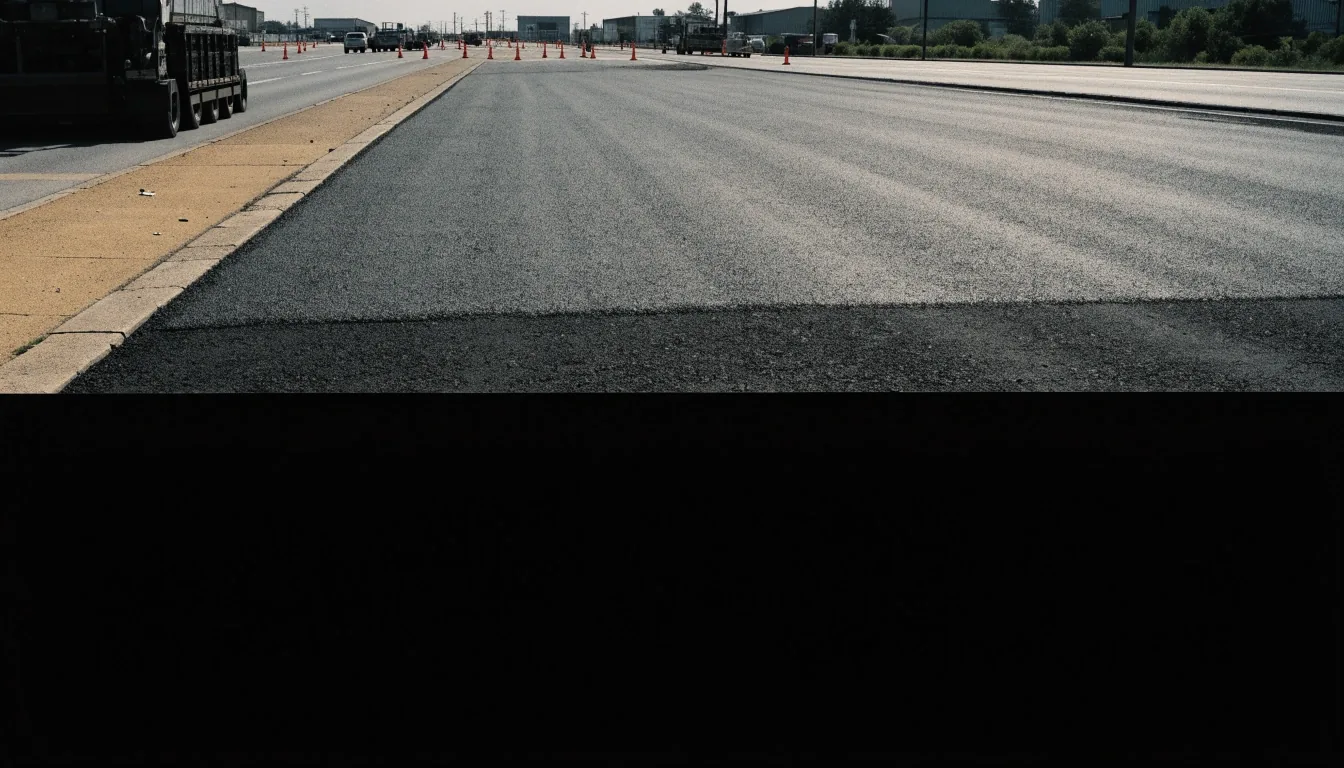
Carriageway under reconstruction with paver in distance and traffic staging on live lanes Live carriageway — paving while the network stays open

Live streets

Traffic staging on live streets

Keeping the street open changes everything — section lengths, working windows, and the order of operations across paving, excavation, and reinstatement.

ECP link Corridor enhancements across connected links, staged so through traffic keeps moving while sections are taken, paved, and reinstated in turn. Phased
North link Northern corridor roads show traffic-sensitive delivery across junctions — bus and pedestrian access held, detours signed, footways kept passable. Live
Inter Tengah Vehicular Interchange adds re-alignment and flyover widening while the network serves Tengah New Town growth — order of operations matters most here. Staged
Hours Working windows, section lengths, and reinstatement sequence are written before booking plant — night possession only where the authority allows it. Agreed

Approval of any live scheme in Singapore would rest with relevant authorities and appointed parties, not with this site. We describe the planning questions; we do not grant the permission.

Work planning approach

Write the job in order before machines are booked

Organisation of construction processes means writing the job in order, section by section, so gaps show early and clarification has a sequence.

  • Information needed, section by section — limits, widths, levels, and tie-ins stated plainly so each section can be read alone.
  • Utility plan status, including cable and gas plans and the SP PowerGrid Letter of Requirements where applicable, with at least 7 days notice of earthworks commencement where that rule applies.
  • Drainage outlet confirmation and pedestrian and access notes — what must stay open, for whom, and when.
  • We reply to enquiries with a list of gaps and a suggested order of clarification. That is the consultation product at this stage, not a programme or price.

Useful reply

What to send for a useful reply

Street, section, condition

Street name plus section limits. Width and length if known. Current condition and level issues — cracking, settlement, ponding, or shape loss described in plain words.

Tie-ins and access

Drainage and footpath tie-ins. Whether the road must remain open and what access must be kept — buses, footways, driveways, and deliveries named one by one.

Country and stage

Country of the project and planning stage. This matches our form fields: full name, email, phone, country, project type, task description, and consent — longer notes get better answers than single lines.

Constraints over wishes

A paragraph on constraints beats a list of wishes. Tell us what cannot move — levels, outlets, opening hours — and we will frame the planning questions in return.

COSS CONSTRUCT (SRL), reg. no. BE 0696.674.091 — Chaussée de Gand 1426, 1082 Berchem-Sainte-Agathe, Belgium. Information on cossroadworks.digital is planning oriented; Singapore entry remains planned only.